Forests Grow Nutritious Food
Forests Improve Our Health
Forests Help Provide Flooding
Forests Improve Air Quality
Forests Grow Nutritious Food
REFORESTATION IN
ASIA
Asia is a continent of striking contrasts – from the Himalayan peaks to the dense mangroves of the Sundarbans, from ancient rainforests to arid plains where temperatures now reach nearly 50 °C. It is home to extraordinary biodiversity,
but also some of the fastest rates of deforestation and land degradation in the world.
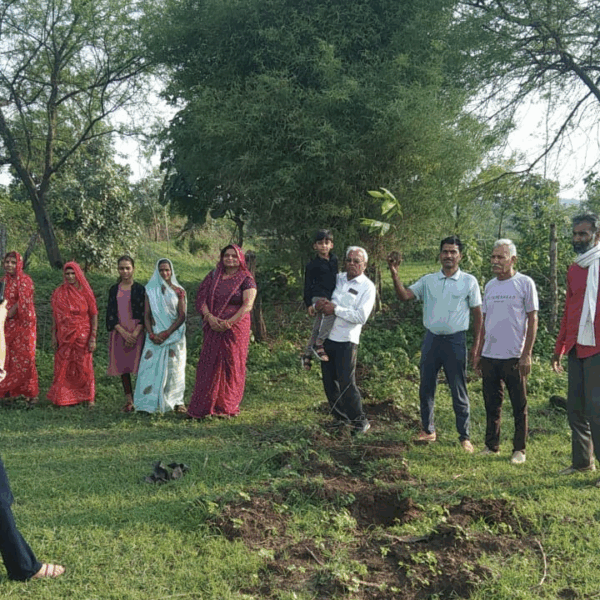
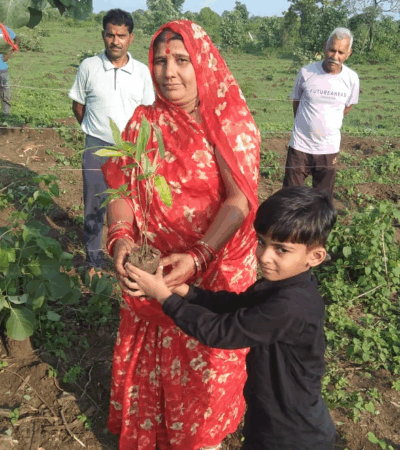
At The Planet Earth Foundation, we focus on restoring resilience where the need is greatest. In regions like Madhya Pradesh, India, where extreme heat and erratic rainfall threaten both ecosystems and communities, we are planting Miyawaki native forests on farmland. These dense micro-forests:
• Grow 10× faster than conventional plantations
• Capture 30× more carbon than monocultures
• Boost biodiversity and pollinators that support farming
• Ensure farmer livelihoods remain net positive through productive trees or lease income
By restoring degraded land into thriving native forests, we aim to create natural cooling zones, protect biodiversity, and strengthen the balance between people and planet across Asia.

OUR PROJECT LOCATIONS
REFORESTATION
MAP
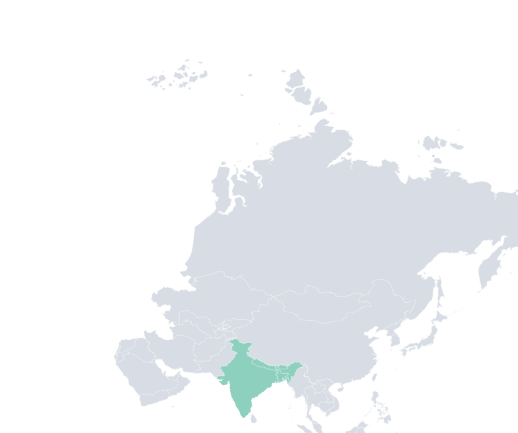
Reforestation in Asia focuses on restoring forest cover in a critical region for biodiversity and climate change, while also creating sustainable jobs. View the reforestation map to discover areas where we have planted trees in Asia.
FEATURED REFORESTATION
LOCATIONS
Reforestation in Asia focuses on restoring forest cover in a critical region for biodiversity and climate change, while also creating sustainable jobs. View the reforestation map to discover areas where we have planted trees in Asia.
Forests provide Habitat for Biodiversity Forests Improve our Health Forests Improve Air Quality Forests Improve Water Availability Forests lower temperatures
Reforestation in Asia focuses on restoring forest India’s environment is facing significant challenges, from deforestation to habitat fragmentation.

India – Restoring Forests in India’s Heatwave Heartlands
Battling 49 °C Heat with Nature’s Cool Solutions
In Madhya Pradesh, a region where summer temperatures now soar toward 49 °C, our restoration work isn’t just about planting trees. It’s about planting solutions. As sweltering heatwaves become the norm, dehydrated soil and collapsing ecosystems demand climate resilient interventions.
Using the Miyawaki method, we are establishing dense, biodiverse native forests tailored to thrive in Madhya Pradesh’s harsh subtropical climate. These micro forests offer:
• Rapid canopies that provide shaded shelter and reduce ambient heat.
• Improved soil health and moisture retention – critical in areas with erratic or scant rain.
• Carbon sequestration at rates dramatically higher than monoculture plantations.
• Boosted biodiversity, including pollinators and wildlife that enrich ecosystem resilience.
With temperatures edging toward the biome’s upper limits, such climate-adapted forests are more than green, they’re lifelines.
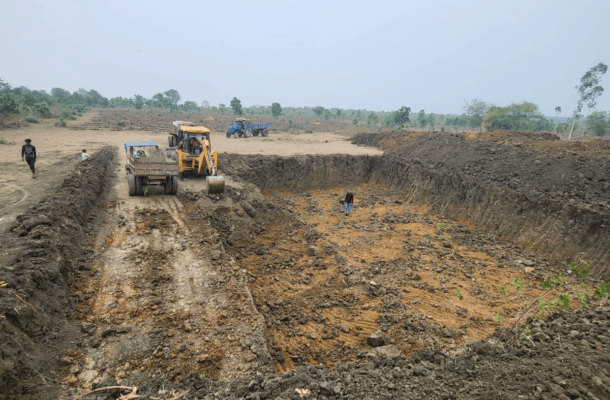
Building the Reservoir: Excavation and Earthwork in Progress
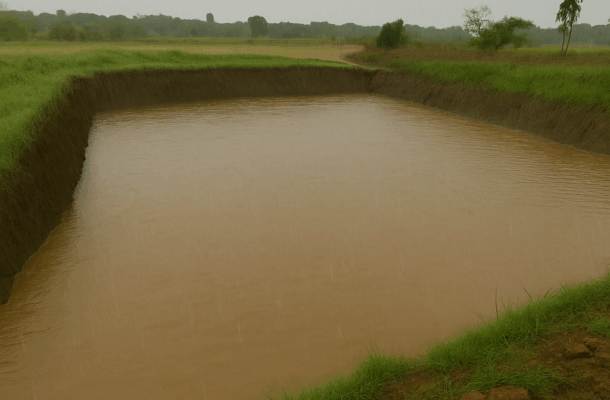
Secured Water, Sustained Future: Harvesting every rain drop!
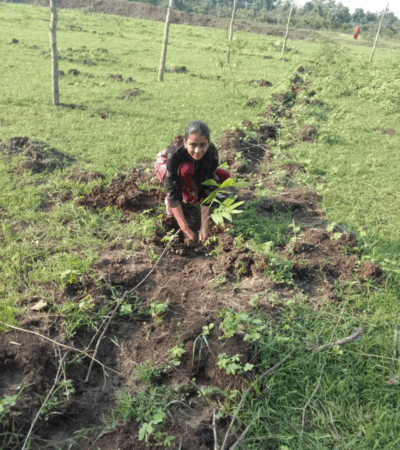
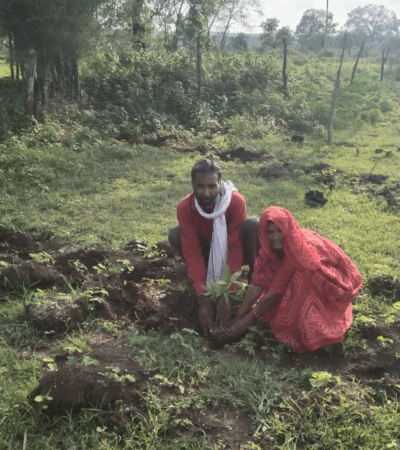
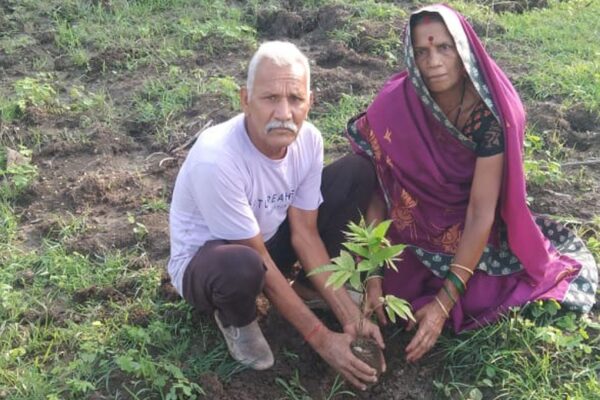
Plantation in full swing…
Why This Matters in Madhya Pradesh
• Heat & drought are increasing: Agriculture in MP is heavily rain dependent. Erratic monsoons have already caused up to a 60% drop in yields in some regions ResearchGate.
• Forests are nature’s climate shield: Trees help stabilise local temperatures, protect soil, manage microclimates, and resiliently contribute to food and livelihood systems.
• Miyawaki’s proven success: Dense, multi – layered, native forests grow rapidly – within decades rather than centuries – delivering immediate ecological benefits.
Impact at a Glance
Icon Key Benefit
Heat resilience – shaded microclimates provide cooling and protect fragile soils.
Rapid growth – forests mature up to 10× faster than conventional plantations.
High carbon capture – significantly more CO₂ stored per hectare compared to monocultures.
Biodiversity boost – welcomes pollinators and wildlife, enhancing ecosystem services.
Restoring Today, Safeguarding Tomorrow
With every Miyawaki forest planted in Madhya Pradesh, we’re forging natural refuges against the heat. These micro forests don’t just survive, they help regenerate soil, shield communities, and nurture livelihoods in increasingly fragile landscapes. In a world heating fast, resilient forest ecosystems like these are vital for long-term adaptation and climate justice.