
The Miyawaki Method for
Creating Forests
Miyawaki Method is one of the most effective tree planting methods
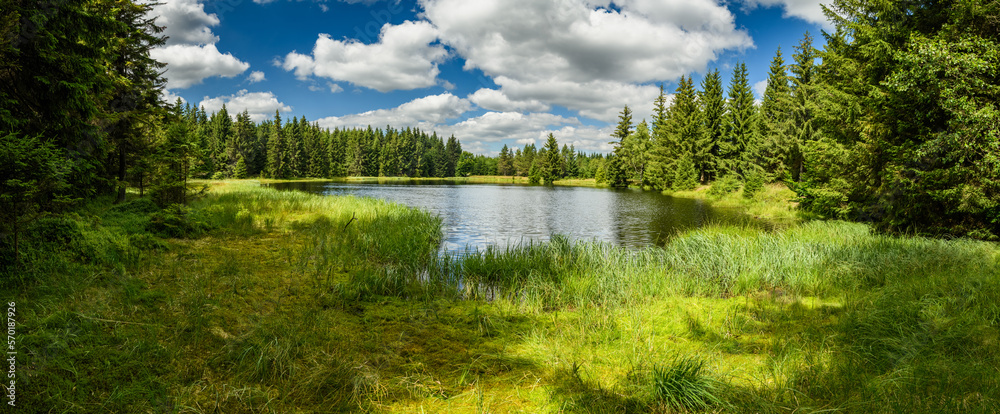
The Miyawaki Method is one of the most effective tree planting methods for creating forest cover quickly on degraded land that has been used for other purposes such as agriculture or construction. It is effective because it is based on natural reforestation principles, i.e. using trees native to the area and replicating natural forest regeneration processes. It has some significant benefits over more traditional forestry methods when used in smaller afforestation projects and is particularly effective in the urban environment. The trees planted by this method grow much faster, jump starting the forest creation process and capturing more carbon. Higher biodiversity has been recorded in Miyawaki forests than in neighbouring woodland, so it’s an ideal method for creating diverse forest ecosystems quickly. Within the context of the current climate change emergency and stark warnings about the global loss of biodiversity, being able to create diverse, healthy forests quickly could prove vital to meeting international targets and tackling these issues.
Miyawaki Method
principles
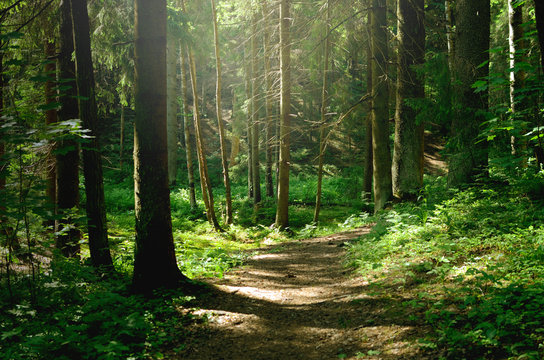
The Miyawaki Method: Origins & Dr. Miyawaki’s Work
The Miyawaki Method was pioneered by Japanese botanist and plant ecologist Dr. Akira Miyawaki in the early 1970s as a nature-inspired reforestation technique. Originally applied at Nippon Steel’s embankment sites, the method rapidly restored lush, native forests on degraded industrial land through a scientific, ecologically-grounded process southasia.iclei.org Wikipedia.
Foundational Principles by Dr. Miyawaki
- Potential Natural Vegetation (PNV): Dr. Miyawaki identified the species naturally adapted to each region by mapping remnant native flora, often in “sacred groves” around temples and shrines Wikipedia Wikipedia.
- Dense Native Planting: He promoted dense planting of small, young plants — typically 3–5 seedlings per square meter — to emulate natural forest dynamics and accelerate succession Wikipedia Wikipedia.
- Site Preparation: Emphasis on enriching poor soils with organic matter and selecting a mix of pioneer, understory, and climax species to mimic natural forest stratification Wikipedia Wikipedia.
- Sites Across Ecosystems: Dr. Miyawaki tested and refined the method across varied geographies — including in Thailand, the Amazon (Brazil), and along the Great Wall of China — showing its adaptability and efficacy Wikipedia SpringerLink.
- Results: In appropriate settings, restored Miyawaki forests achieved forest structure and biodiversity in 20–30 years, a process that otherwise could take centuries or more Wikipedia activesustainability.com.
Dr. Miyawaki’s approach was recognized at international platforms like the 1992 Earth Summit, the 1994 UNESCO Biodiversity Congress, and several scientific societies, including the International Society for Vegetation Science Wikipediasouthasia.iclei.org.
